8 Grocery Products Disappearing From Shelves in 2026
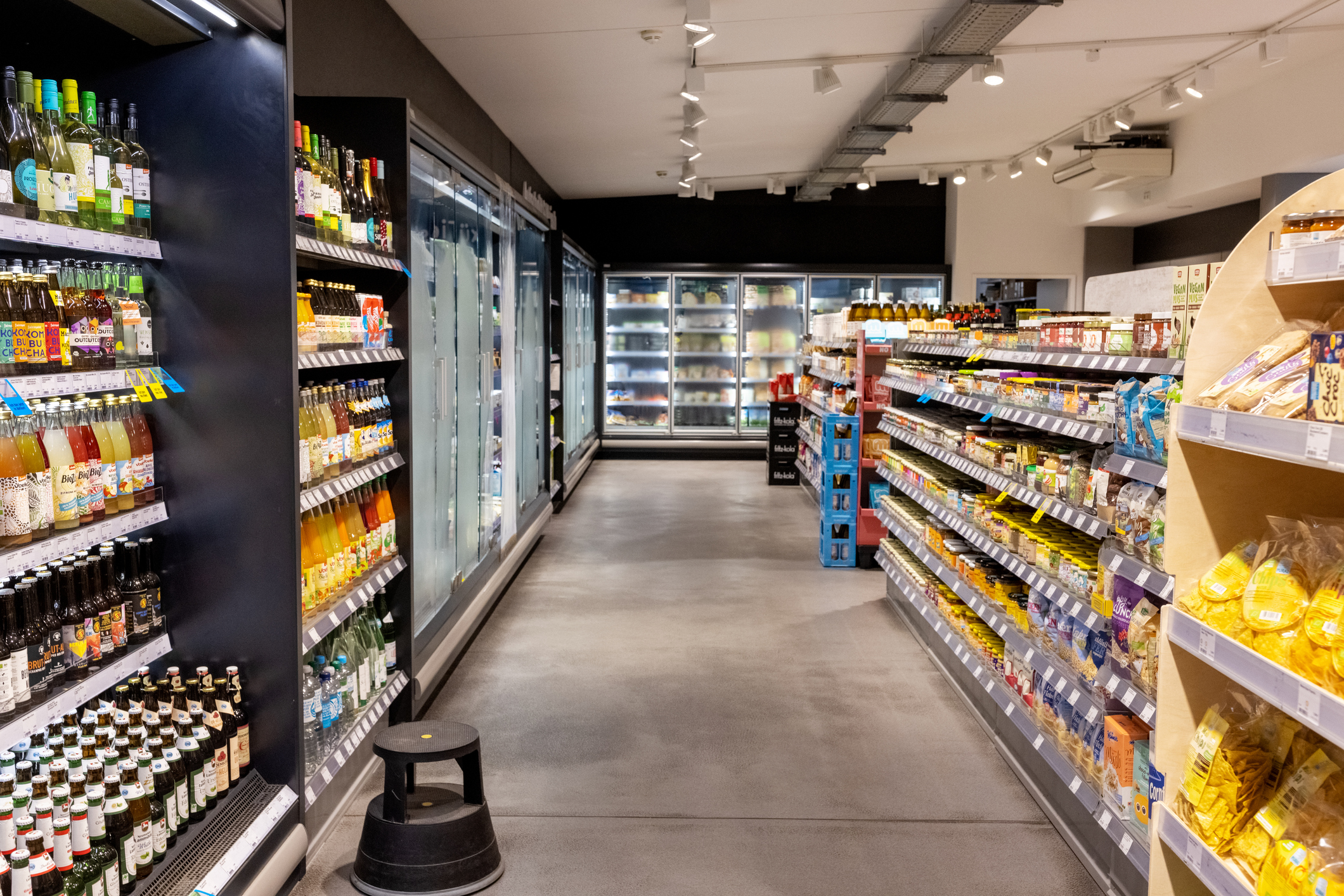
MEMPHIS, Tenn. (Youdle) – Some of your regular buys may not be there much longer. Between supply problems, corporate decisions, and bad weather, here's what's getting harder to find this year.
Orange Juice
Florida's predicted orange harvest for 2026 is only 12 million boxes — the lowest since the 1930s. In the late '90s, the state was producing 244 million boxes a year. Years of citrus greening disease, hurricanes, and a severe cold snap in early February have gutted production. On top of that, Minute Maid is discontinuing its frozen juice concentrates entirely — that's a corporate decision, separate from the supply shortage.
A Big Chunk of PepsiCo's Product Line
PepsiCo is cutting about 20% of its products before early 2027. The company hasn't released the full list yet, but the cuts already started in 2025 with flavors like Pepsi Peach and Caffeine Free Mountain Dew getting pulled. The upcoming round will hit all types of PepsiCo products — not just soda. So if you have a favorite Frito-Lay or Quaker item that doesn't sell huge numbers, it might be on the chopping block.
Eggs (Again, Potentially)
Prices came back down after the 2025 spike, and shelves look fine right now. But avian flu never went away. In January 2026, the disease hit an egg-laying facility in Colorado that held 1.3 million chickens. One bad outbreak season could put us right back where we were.
Affordable Beef
The USDA predicts beef and veal prices will increase 9.4% in 2026. Economic Research Service The cattle herd has been shrinking since 2019 while demand stays strong. That math only goes one direction.
Chocolate (At Current Prices)
Cocoa prices remain about 70% above 2023 levels Nasdaq, and chocolate candy prices have more than doubled since 2024. Weather problems in major cocoa-producing regions plus tariffs are both pushing costs up. If you see a sale on chocolate, that might be as good as it gets for a while.
Coffee
Coffee prices have increased nearly 20% over the past year. MSUToday Supply disruptions in Brazil and other major growing regions are the main driver, but tariffs have piled on. The U.S. produces almost no coffee domestically, so there's no domestic backup plan.
Canned Goods
Steel can prices have jumped 16% over the past year Eat This!, which means anything that comes in a can — beans, tomatoes, soup, tuna — is getting more expensive to package. That cost gets passed to you.
Anything With Packaging
This one's broader. Aluminum prices have spiked due to tariffs, pushing brands to re-evaluate packaging materials entirely. SupplyChainBrain Glass and plastic are gaining traction as alternatives, but switching packaging takes time and money. In the meantime, expect some products to quietly shrink or get more expensive.
The bottom line: if there's something you buy regularly that you've noticed getting harder to find or more expensive, you're not imagining it. Stock up when prices are reasonable, and don't be surprised if some brands look different — or disappear — by year's end.
Share your shopping experiences and hear what others are saying in the Youdle Community. Stay informed about grocery trends and market analysis by following the Youdle Blog.

