Grocery spending disparities: Where your budget may stretch or strain
New grocery affordability rankings reveal a bigger issue than rising prices: how much of your income it takes to fill your cart.
A grocery bill doesn't have to be unusually high to put a strain on your budget.
That's one of the biggest takeaways from a new WalletHub study comparing grocery costs across 100 U.S. cities. Detroit, Cleveland and Birmingham, Alabama, ranked as the cities where a standard basket of groceries takes up the largest share of median household income.
But here's what caught our attention: The cities where groceries are hardest to afford aren't necessarily the cities with the highest grocery prices.
That's an important distinction for anyone wondering why their grocery budget feels tighter even when the latest inflation numbers suggest some relief.
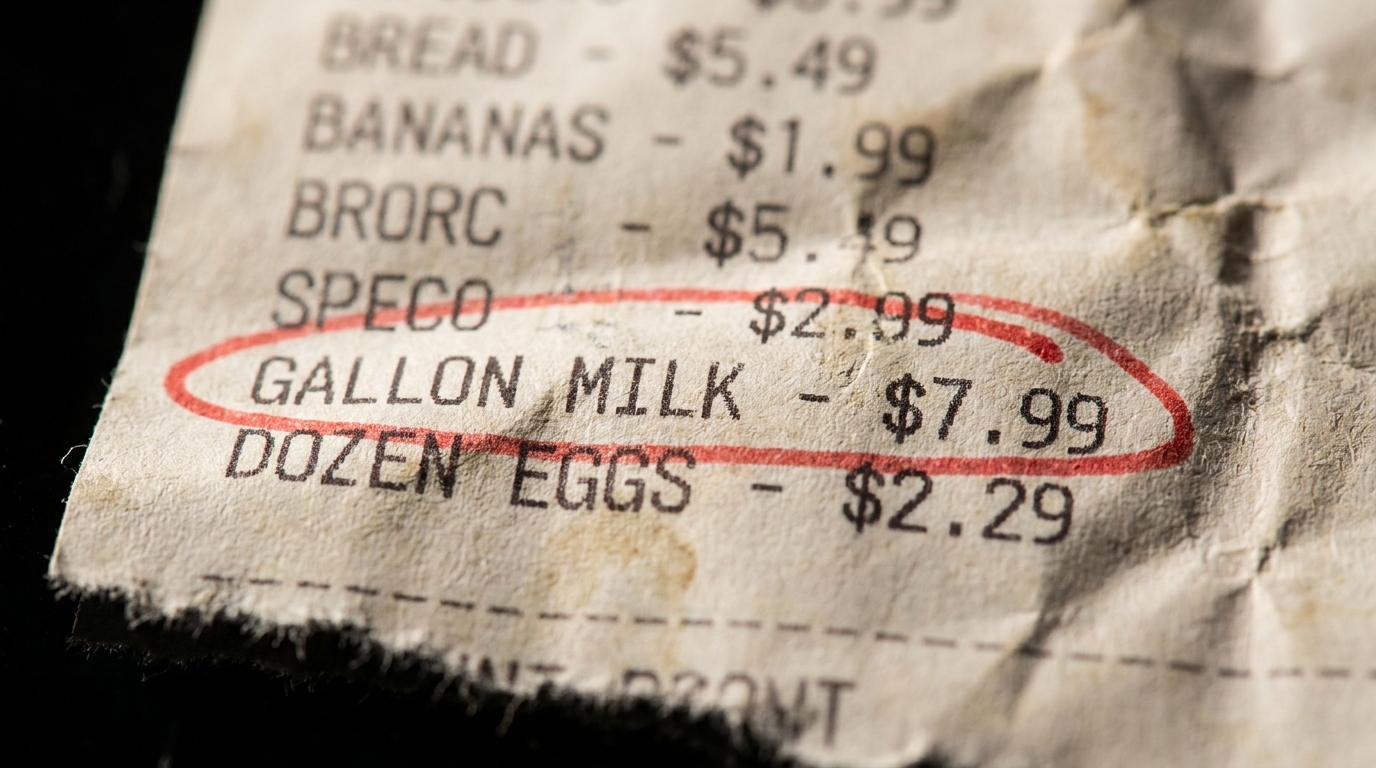
It's not just what groceries cost. It's what you earn.
WalletHub compared the prices of 26 everyday grocery items across 100 cities, then measured the cost of that basket against each city's median monthly household income.
According to the study:
- Detroit, Michigan: 4.03% of median monthly household income.
- Cleveland, Ohio: 3.93%.
- Birmingham, Alabama: 3.45%.
- Fremont, California: 0.91%, the lowest share among the cities studied.
At first glance, you might assume Detroit has some of the country's highest grocery prices. But Detroit actually ranked 39th for overall grocery costs among the 100 cities examined.
In other words, the issue isn't just what groceries cost. It's how much money households have available to buy them.
Consider two households buying the same $150 basket of groceries. For a household earning $3,000 a month, that basket represents 5% of monthly income. For a household earning $10,000 a month, it represents just 1.5%.
Same groceries. Same prices. Very different financial impact.
That's the part of the grocery affordability conversation we think deserves more attention. The price on the shelf tells only half the story. The other half is what a household can reasonably afford.
Why expensive cities don't always have the biggest grocery burden
It's tempting to assume that cities with higher living costs must also be the hardest places to afford groceries.
But the WalletHub rankings show why that assumption can be misleading.
Fremont, California, had the lowest grocery burden in the study when measured against median household income. That doesn't mean shoppers there are necessarily finding cheaper food than shoppers in Detroit.
It means the cost of WalletHub's selected grocery basket accounts for a smaller percentage of the city's median income.
There's another distinction worth remembering: a citywide median doesn't describe every family living there. Higher-income cities still have households struggling to afford food, while lower-income cities have households with very different financial circumstances.
That's also why these rankings shouldn't be confused with actual household grocery spending. WalletHub measured a standardized basket, not everything a family buys over an entire month.
Family size, dietary needs, transportation, access to stores and shopping habits can all change the real cost of feeding a household.
Grocery prices fell slightly in September. Why doesn't it feel like relief?
The latest government inflation numbers help explain why shoppers may still be frustrated.
According to the U.S. Bureau of Labor Statistics, grocery prices declined 0.1% in September 2026.
But compared with September 2025, food-at-home prices were still 1.8% higher.
And the changes weren't evenly distributed across grocery departments.
- Dairy and related products fell 0.9% during September.
- Meats, poultry, fish and eggs declined 0.5%.
- Fruits and vegetables increased 0.5%.
- Nonalcoholic beverages increased 0.9%.
So if your household buys more produce and beverages than dairy products, you may not have experienced the same price relief suggested by the overall grocery index.
And a small monthly decline doesn't erase the price increases that came before it.
The national inflation rate tells us how prices are moving overall. Your grocery receipt tells you how those changes are affecting your household.
Both are useful, but they answer different questions.
What does this mean for your grocery budget?
National rankings provide context, but they won't make your next shopping trip less expensive. The more useful question is what you can do with the information.
1. Pay attention to the groceries you buy most often
You don't need to track the price of every item in the supermarket.
Start with a short list of products your household buys regularly: milk, eggs, bread, produce, meat, snacks or whatever consistently makes it into your cart.
Knowing the usual price of those items makes it easier to recognize a meaningful sale and spot when a familiar product has become more expensive.
2. Compare the total basket, not just advertised specials
A store might have an excellent price on chicken but charge more for the other items on your list.
Before changing where you shop, consider the total cost of your regular purchases, not just one or two promotions.
Check unit prices and package sizes, too. A lower shelf price doesn't always mean you're paying less per ounce or pound.
3. Factor in the cost of shopping around
Saving $4 at a second grocery store might not be worthwhile if the extra trip requires additional gas, transportation costs or time you don't have.
That's particularly important when budgets are tight.
Convenience has value, and the lowest individual item price isn't always the lowest overall cost.
4. Give yourself flexibility where it makes sense
If chicken is expensive this week but another protein is on sale, changing one or two meals may help keep your budget on track.
Frozen vegetables can sometimes provide better value than fresh, especially when produce prices rise or you're concerned about food going to waste.
But flexibility shouldn't mean sacrificing the foods your household actually needs or enjoys.
The goal isn't to buy the cheapest groceries possible. It's to make your grocery dollars go further without making everyday shopping unnecessarily complicated.
The bigger picture: Grocery affordability is personal
WalletHub's rankings highlight a problem that national grocery headlines can sometimes overlook.
Lower grocery prices don't automatically mean groceries are affordable. And a city with higher prices isn't necessarily the place where households face the greatest grocery burden.
Income, household needs and access to affordable food all shape what families experience at checkout.
At The Grocery Brief, we think grocery news should go beyond telling you whether prices are rising or falling. It should help you understand what those changes mean for the decisions you're making every week.
Because ultimately, the question isn't whether groceries are more expensive in Detroit than Fremont.
It's whether your grocery budget will cover what's on your list.
For more reporting on grocery prices, food trends and smarter shopping decisions, explore The Grocery Brief.
Sources: USA Today coverage of WalletHub's October 2026 grocery affordability study; U.S. Bureau of Labor Statistics, September 2026 Consumer Price Index.
Subscribe to the Youdle Newsletter
Grocery savings, price drops and recall alerts — straight to your inbox.

